Exploring Safety Measures for Outdoor Recreational Activities
Engaging in outdoor activities such as walking, cycling, and light tourism can be immensely rewarding. However, ensuring safety while enjoying these activities is paramount. This article will provide insights into effective safety measures for outdoor recreational activities.
Understanding the Basics of Outdoor Safety
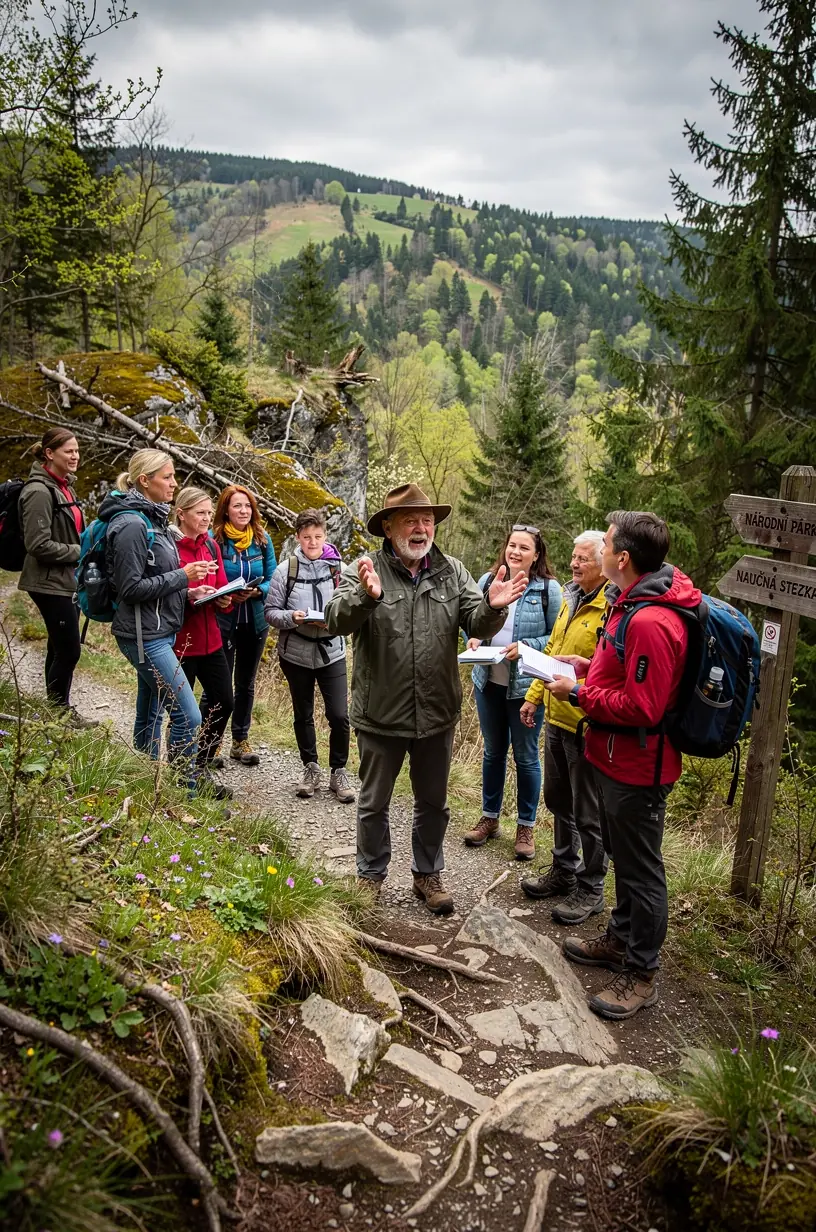
Outdoor safety is essential to enjoy recreational activities with minimal risk. Studies show that proper preparation can significantly reduce accidents and injuries. According to experts in outdoor recreation, understanding your environment and knowing how to react in various situations can enhance your safety while enjoying the outdoors.
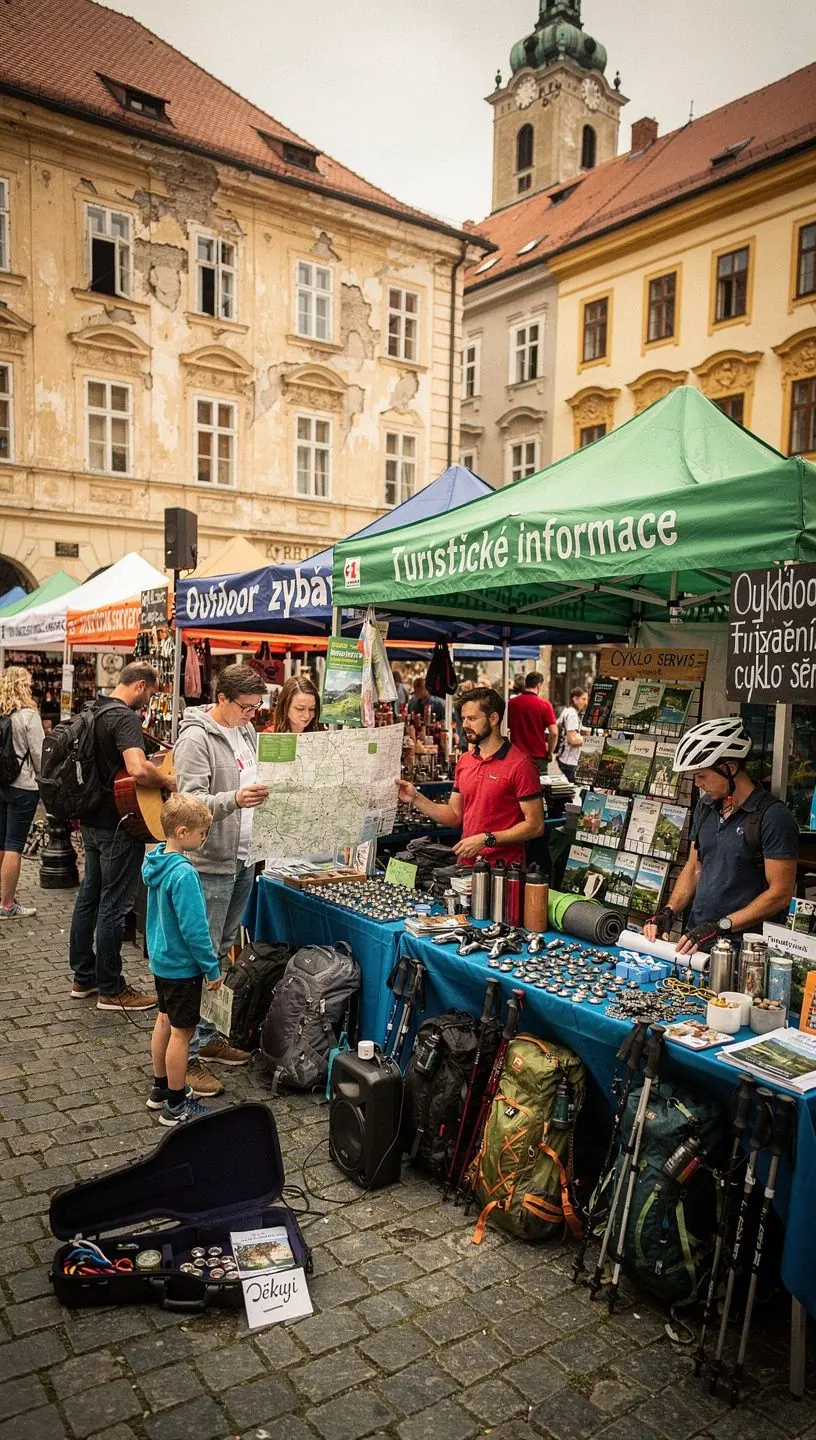
"Preparation and awareness are key to enjoying the outdoors safely." - Outdoor Safety Expert
Key Safety Measures for Outdoor Activities
Here are some practical safety measures that can help ensure a safer experience in outdoor activities:
- Research Your Destination: Before heading out, familiarize yourself with the area. This includes knowing the trails, terrain, and potential hazards, such as wildlife or unstable weather conditions. Industry experts suggest checking local guidelines and maps to understand the risks involved.
- Wear Appropriate Gear: Wear suitable clothing and equipment for your chosen activity. For instance, cyclists should use helmets, while hikers might require sturdy footwear. Many users report that investing in quality gear can help prevent injuries.
- Stay Hydrated and Nourished: Carry enough water and snacks to stay energized. Dehydration and hunger can impair judgment and physical capability, leading to risky situations. A good rule of thumb is to drink water regularly, even if you don't feel thirsty.
- Inform Someone of Your Plans: Always let a friend or family member know your itinerary. This is crucial for safety, especially if you're going to remote areas. In most cases, this ensures that someone is aware of your whereabouts and can take action if you do not return as planned.
What to Do in Case of an Emergency
Even with thorough preparation, emergencies can occur. Knowing how to respond can make a significant difference:
- Stay Calm: In an emergency situation, staying calm is critical. Panic can cloud judgment and make it harder to think clearly.
- Assess the Situation: Determine the nature of the emergency. Is it an injury, getting lost, or a weather-related issue? Your response will depend on the specific circumstances.
- Use Communication Devices: If you have a mobile phone or a GPS device, use it to call for help or navigate back to safety. Be aware that in some remote areas, service may be limited.
Conclusion
Participating in outdoor recreational activities can be enjoyable and fulfilling, but safety should always come first. By following these simple yet effective safety measures, you can enhance your outdoor experience while minimizing risks. Remember, preparation is key, and knowing what to do in case of an emergency can significantly improve your ability to handle unexpected situations. Stay safe and enjoy the beauty of the outdoors!