Understanding the Importance of Outdoor Education for Families
Outdoor education offers families a unique opportunity to engage with nature while promoting physical and mental well-being. This article explores its significance, how it works, and practical ways families in the Czech Republic can incorporate outdoor learning into their lives.
What is Outdoor Education?
Outdoor education refers to learning experiences that take place in natural settings. According to research, these experiences can enhance children’s cognitive, social, and emotional development. Experts recommend outdoor activities as they provide practical learning opportunities that cannot be replicated in a traditional classroom.
"Outdoor education fosters a connection with nature that positively influences well-being and personal development." – Outdoor Education Research Journal
Benefits for Families
Engaging in outdoor education can provide several benefits for families, including:
- Improved Physical Health: Studies show that regular outdoor activity can enhance cardiovascular health and reduce the risk of obesity.
- Mental Well-being: Many users report feeling less stressed and more relaxed when spending time outdoors, which can help combat anxiety and depression.
- Enhanced Family Bonding: Participating in outdoor activities together can strengthen family relationships and communication skills.
How Outdoor Education Works
The principle behind outdoor education is experiential learning, where individuals learn by doing. This approach is often more engaging and memorable than traditional methods. Families can participate in various activities such as:
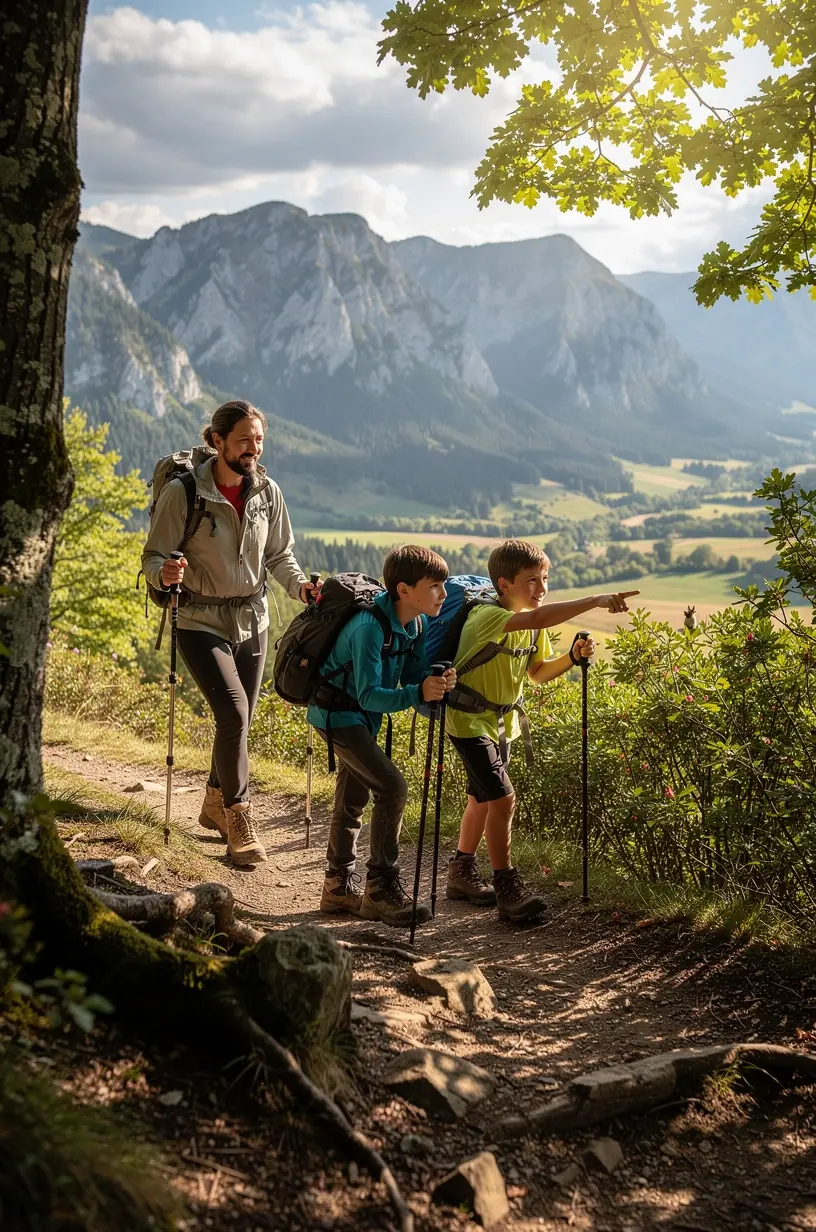
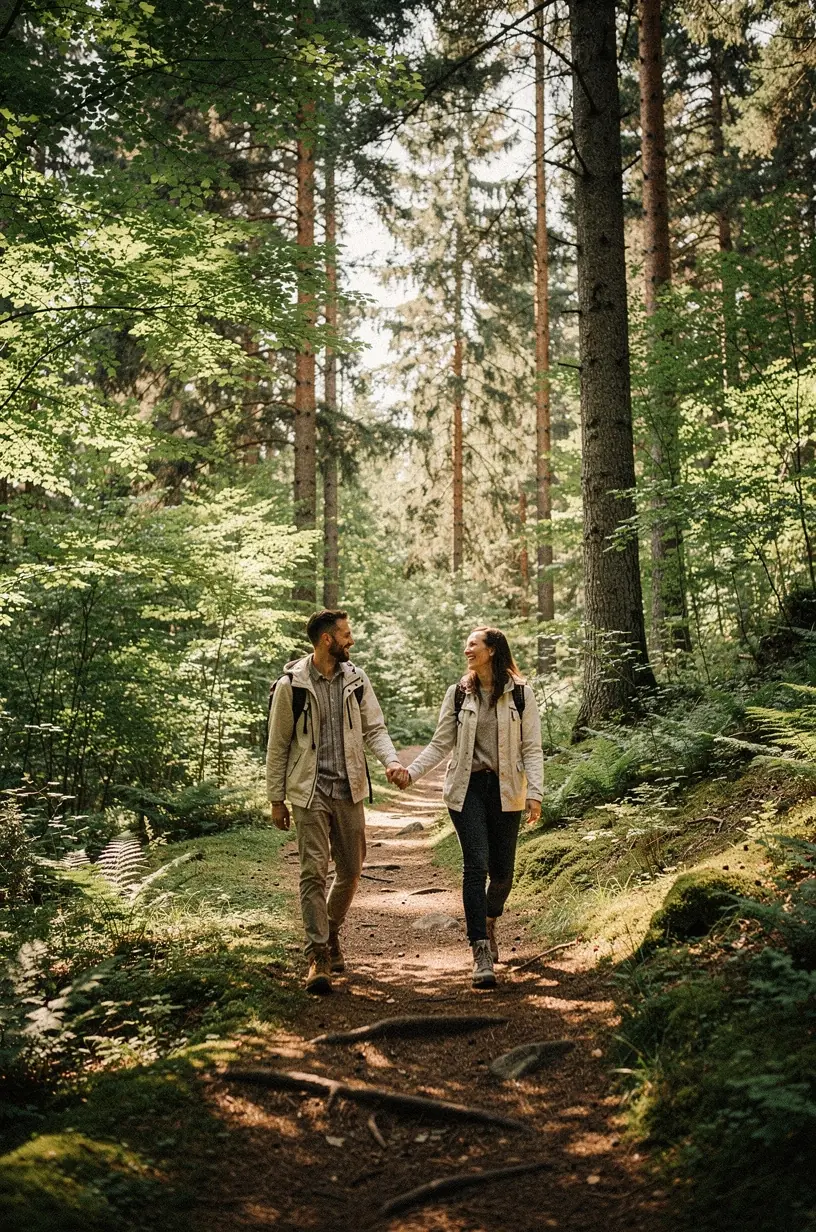
- Nature Walks: These walks can involve observing local wildlife and plants, enhancing children’s appreciation of biodiversity.
- Cycling Trips: Cycling promotes physical fitness and can be a fun way for families to explore their local environment.
- Camping Experiences: Camping teaches essential life skills, such as cooking and problem-solving, in a supportive and fun environment.
Practical Steps for Implementation
Integrating outdoor education into family life requires some planning. Here are some practical steps to consider:
- Set Realistic Goals: Families should identify specific outdoor activities they wish to pursue, setting achievable goals to ensure everyone can participate.
- Schedule Regular Outdoor Time: Consistency is key; families should aim to dedicate time each week for outdoor activities, which can significantly enhance their overall experience.
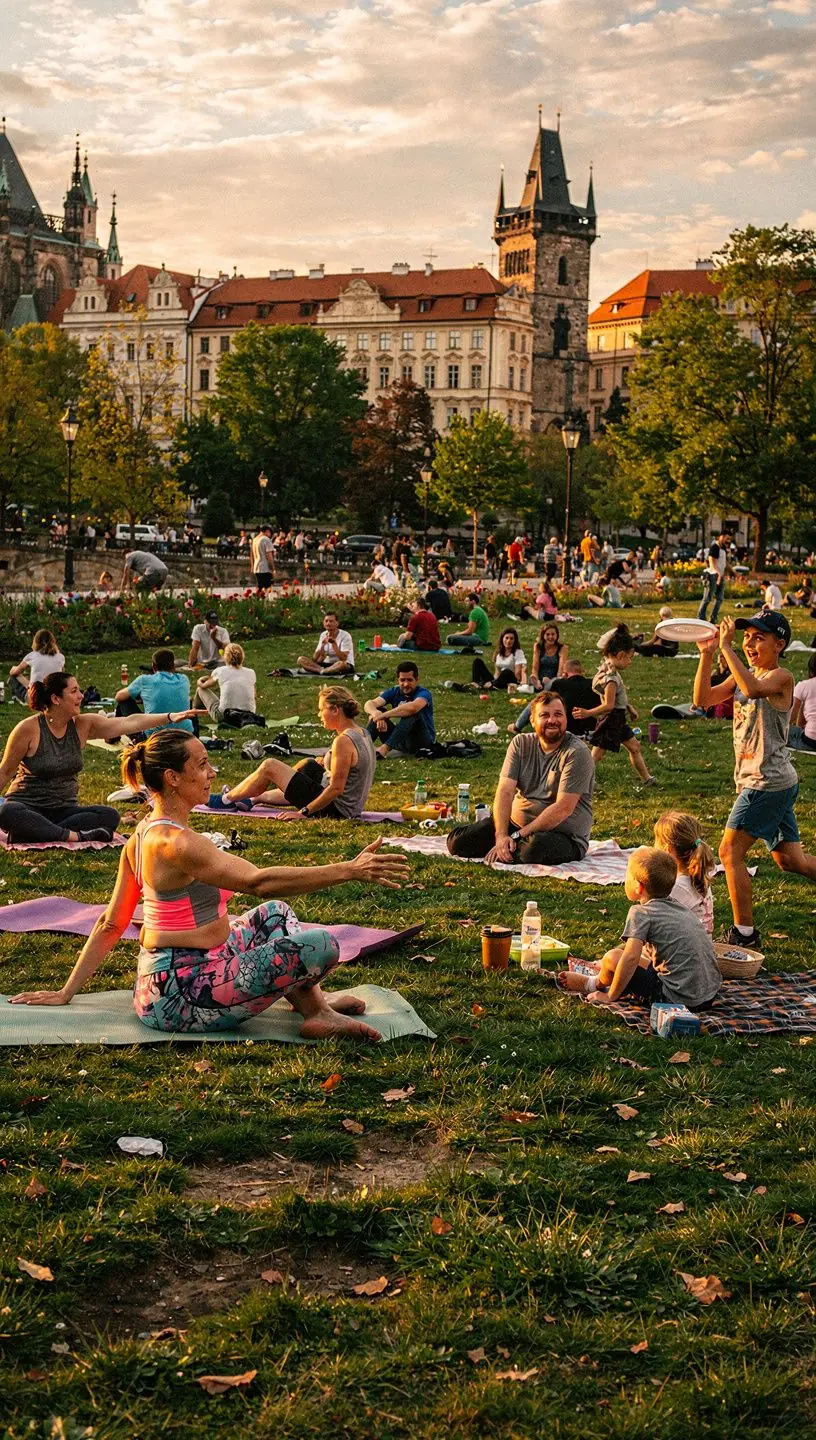
- Utilize Local Parks and Trails: Many cities in the Czech Republic offer numerous parks and cycling routes suitable for families. Researching these can help families maximize their outdoor experiences.
Acknowledging Limitations
While outdoor education offers many benefits, it is essential to acknowledge certain limitations. It typically requires a commitment of time and effort, often involving a learning curve. Families may need to prepare for weather conditions and ensure safety measures are in place. Furthermore, research indicates that outdoor learning experiences work best when planned thoughtfully and tailored to the interests and abilities of all family members.
Conclusion
Outdoor education presents invaluable opportunities for families to learn and grow together in natural settings. By understanding its principles and benefits, families can foster a love for nature while improving their overall well-being. Taking the first step into the outdoors may require planning, but the rewards are often well worth the effort.
Learn More