The Role of National Parks in Preserving Biodiversity
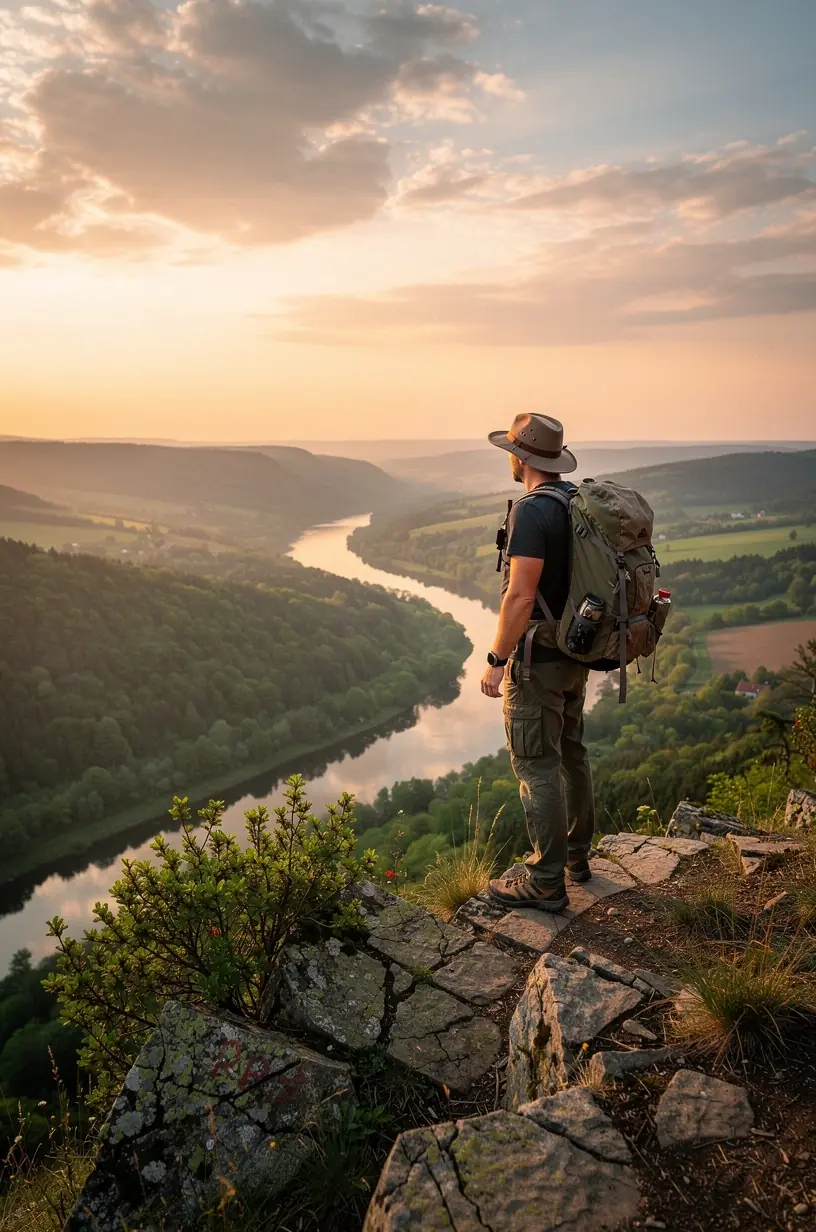
National parks play a crucial role in the preservation of biodiversity, serving as sanctuaries for various species while offering educational and recreational opportunities. This article explores how national parks contribute to biodiversity conservation, the challenges they face, and the importance of public engagement.
Understanding Biodiversity and Its Importance
Biodiversity refers to the variety of life on Earth, including the diversity of species, ecosystems, and genetic variations. According to the World Wildlife Fund (WWF), biodiversity is vital for ecosystem stability, which in turn supports human life by providing essential services such as clean air, water, and food. Research indicates that areas with higher biodiversity are more resilient to environmental changes, making conservation efforts in places like national parks particularly significant.

How National Parks Contribute to Biodiversity Conservation
National parks are designated areas protected for their natural beauty, wildlife, and cultural heritage. They serve several key functions in preserving biodiversity:
- Protection of Habitats: National parks often encompass critical habitats for various species, allowing them to thrive without the pressures of urban development and industrial activities. According to studies, these protected areas can significantly boost local wildlife populations.
- Research and Monitoring: Many national parks facilitate scientific research, enabling experts to study ecosystems and track changes over time. This research is essential for understanding species' needs and formulating effective conservation strategies.
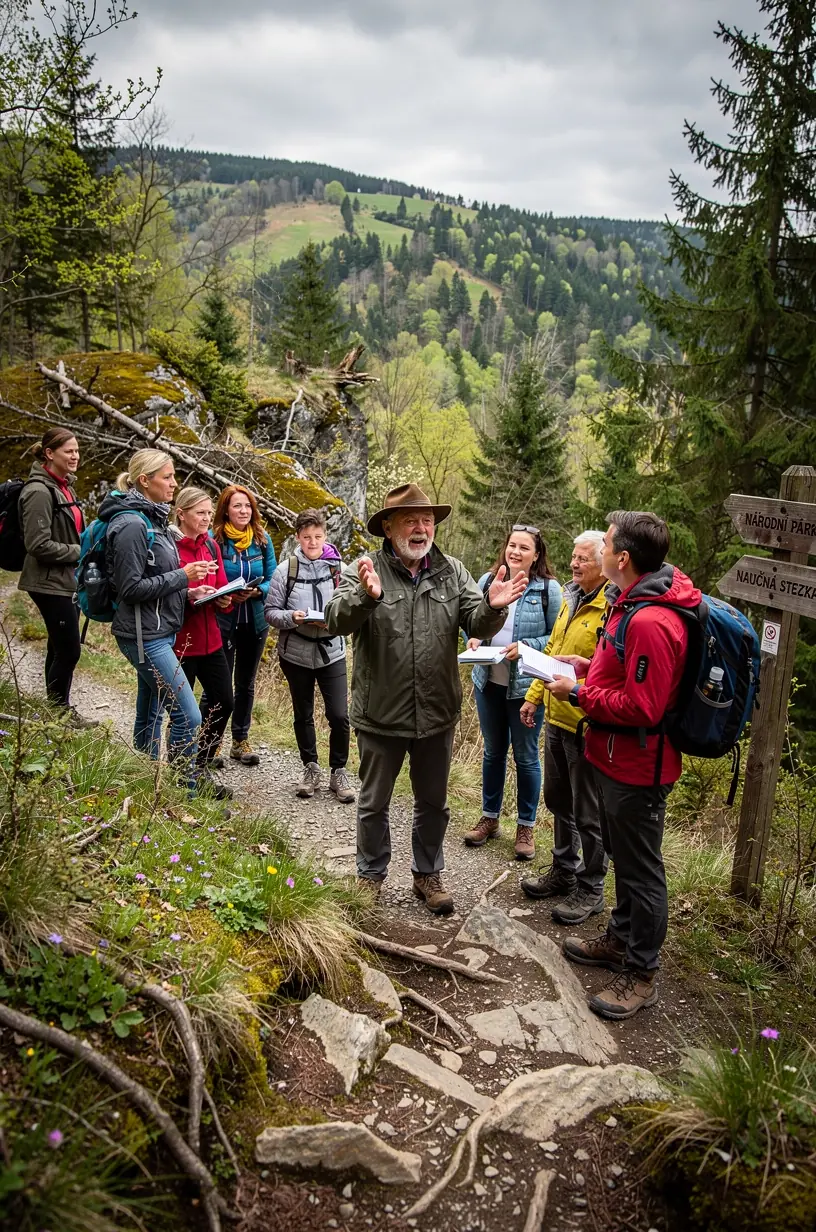
- Public Education: National parks serve as educational platforms, raising awareness about biodiversity and environmental issues. Educational programs help visitors understand the importance of conservation and encourage sustainable practices.
"Protected areas like national parks are essential for the conservation of species and ecosystems, providing a refuge from human impact." - Conservation Biology Journal
Challenges Facing National Parks
Despite their vital role, national parks face several challenges that can impede their effectiveness in preserving biodiversity:
- Climate Change: Shifts in climate patterns can alter habitats and threaten species' survival. National parks must adapt their management strategies to address these changes, which often requires significant resources.
- Invasive Species: Non-native species can disrupt local ecosystems and outcompete native species. Many parks are implementing measures to control invasive populations and restore native habitats.
- Human Activity: Increasing visitor numbers can put additional stress on park ecosystems. Sustainable tourism practices are essential to minimize this impact while still promoting public engagement.
Engaging the Public in Biodiversity Conservation
Public engagement is crucial for the success of conservation efforts within national parks. When visitors understand the importance of biodiversity, they are more likely to support conservation initiatives. Here are some ways to encourage public involvement:
- Volunteer Programs: Many parks offer opportunities for visitors to participate in conservation efforts, such as habitat restoration or wildlife monitoring.
- Educational Workshops: Hosting workshops and guided tours can help visitors learn about local biodiversity and sustainable practices.
- Community Partnerships: Collaborating with local organizations can enhance conservation efforts and foster a sense of shared stewardship among the community.
Conclusion
National parks are integral to preserving biodiversity, offering protected spaces for wildlife and fostering public awareness. While they face challenges such as climate change and invasive species, the role of national parks in conservation cannot be overstated. By engaging the public and implementing effective management practices, national parks can continue to serve as vital sanctuaries for biodiversity. As research suggests, the future of our ecosystems often depends on the health and viability of these protected areas.
Learn More