Practical Guide to Cycling Etiquette on Shared Paths
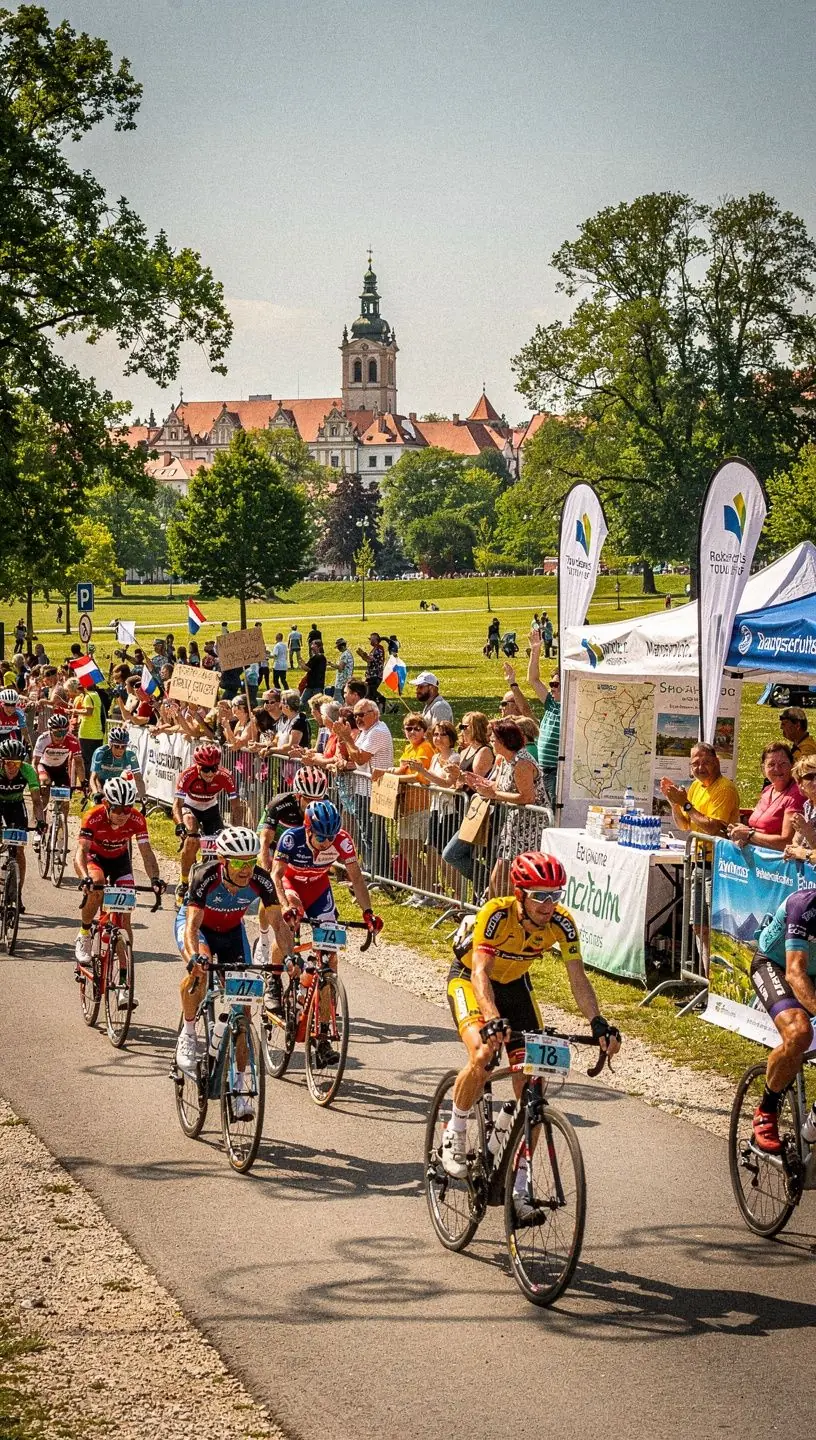
Cycling is a popular outdoor activity in the Czech Republic, especially on shared paths where both cyclists and pedestrians enjoy the beauty of nature. However, adhering to proper cycling etiquette is essential for ensuring safety and enjoyment for everyone. This guide will delve into the principles and practices of cycling etiquette on shared paths, helping you navigate these environments with respect and courtesy.
Understanding the Importance of Cycling Etiquette
Cycling etiquette is not just about following rules; it is about fostering a respectful coexistence between different path users. According to research conducted by the Institute for Cycling and Walking, proper etiquette can significantly reduce the chances of accidents and improve the overall experience for all users on shared paths. Experts recommend that cyclists take the time to familiarize themselves with the etiquette to ensure a safe riding environment.
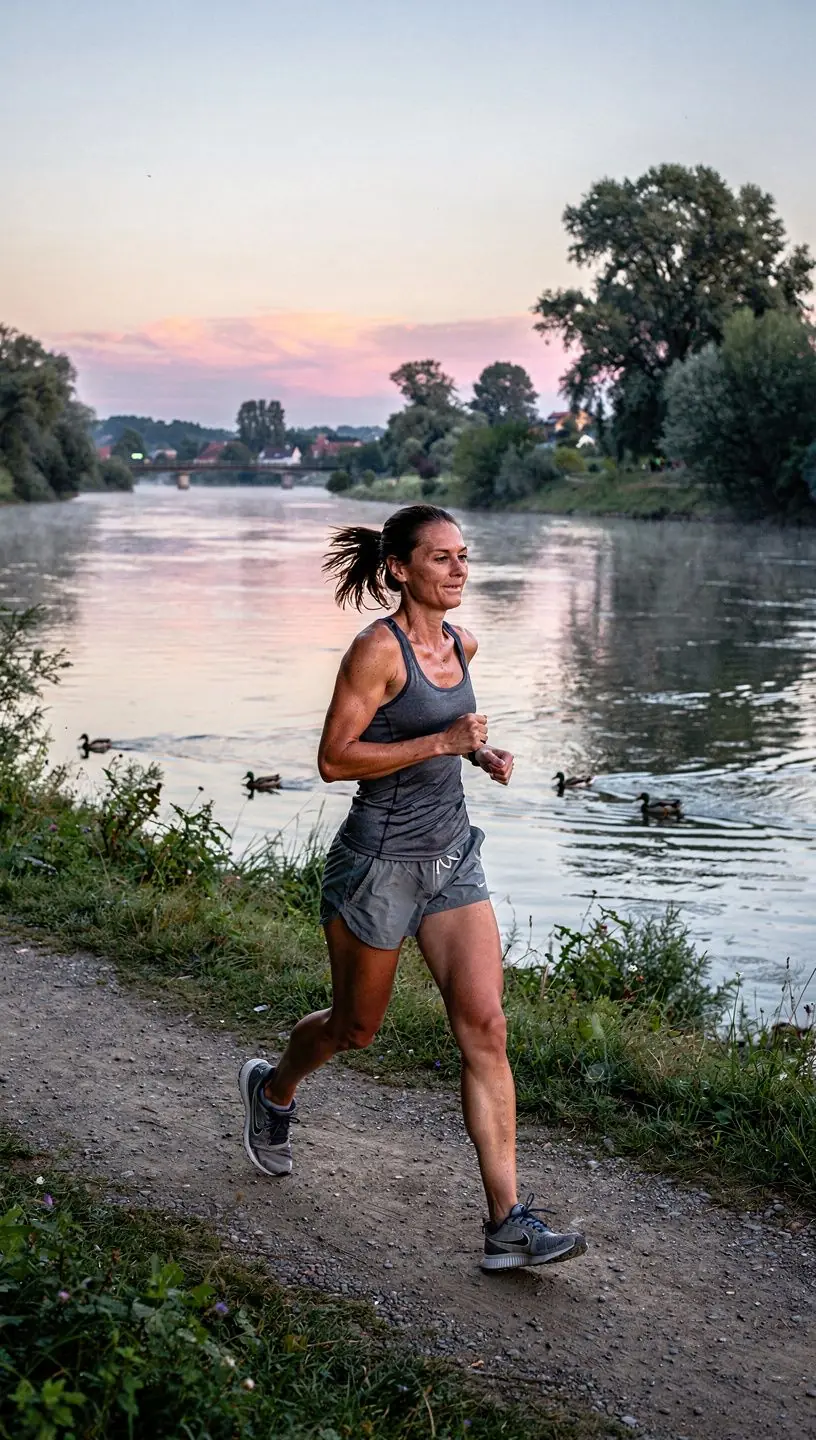
"Following cycling etiquette not only enhances safety but also promotes a positive relationship between cyclists and pedestrians." - Cycling Safety Expert
Key Principles of Cycling Etiquette
Here are some fundamental practices that cyclists should follow while utilizing shared paths:
- Maintain a Safe Speed: Always ride at a speed that allows you to react quickly to pedestrians and other cyclists. It's typically recommended to keep a speed of under 15 km/h in crowded areas.
- Use Your Bell: Ring your bell well in advance when approaching pedestrians. This small action can help alert them to your presence and make them aware of your need to pass, creating a smoother interaction.
- Stay to the Right: When riding on a shared path, always keep to the right to allow pedestrians and faster cyclists to pass on the left. This practice helps to maintain a predictable flow of traffic.
Communicating with Other Path Users
Effective communication is crucial in shared spaces. Here are some tips for ensuring clear communication:
- Use Verbal Cues: When passing, politely announce your approach with phrases like "On your left!" This is especially important in areas with limited visibility.
- Be Mindful of Group Dynamics: When riding with a group, maintain a single file when passing pedestrians. This helps keep the path clear and minimizes potential hazards.
- Acknowledge Others: A simple nod or verbal thank you can go a long way in fostering goodwill among fellow path users.
Acknowledging Limitations and Conditions
While following these etiquette guidelines can enhance everyone's experience on shared paths, it is essential to recognize certain limitations. For instance, crowded paths may require extra caution and slower speeds. Additionally, weather conditions can affect the riding experience; wet or icy surfaces often require more careful handling.
Conclusion
Embracing cycling etiquette on shared paths is vital for ensuring a safe and enjoyable experience for all users. By adhering to the principles outlined in this guide, cyclists can contribute to a harmonious outdoor environment. Remember, the goal is to enjoy the beauty of nature while being respectful to fellow path users. With a little awareness and consideration, we can all make our shared spaces better for everyone involved.
Learn More